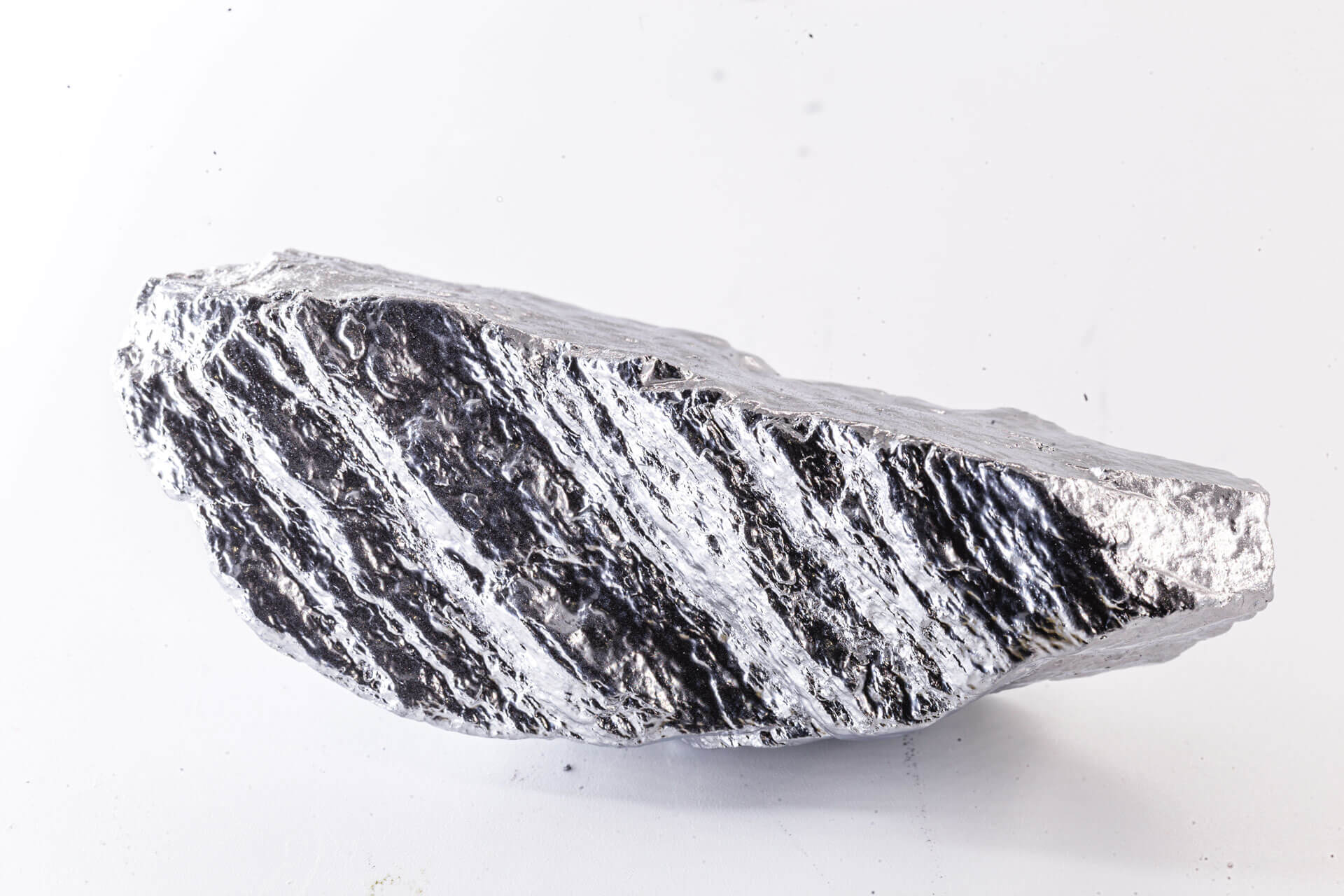
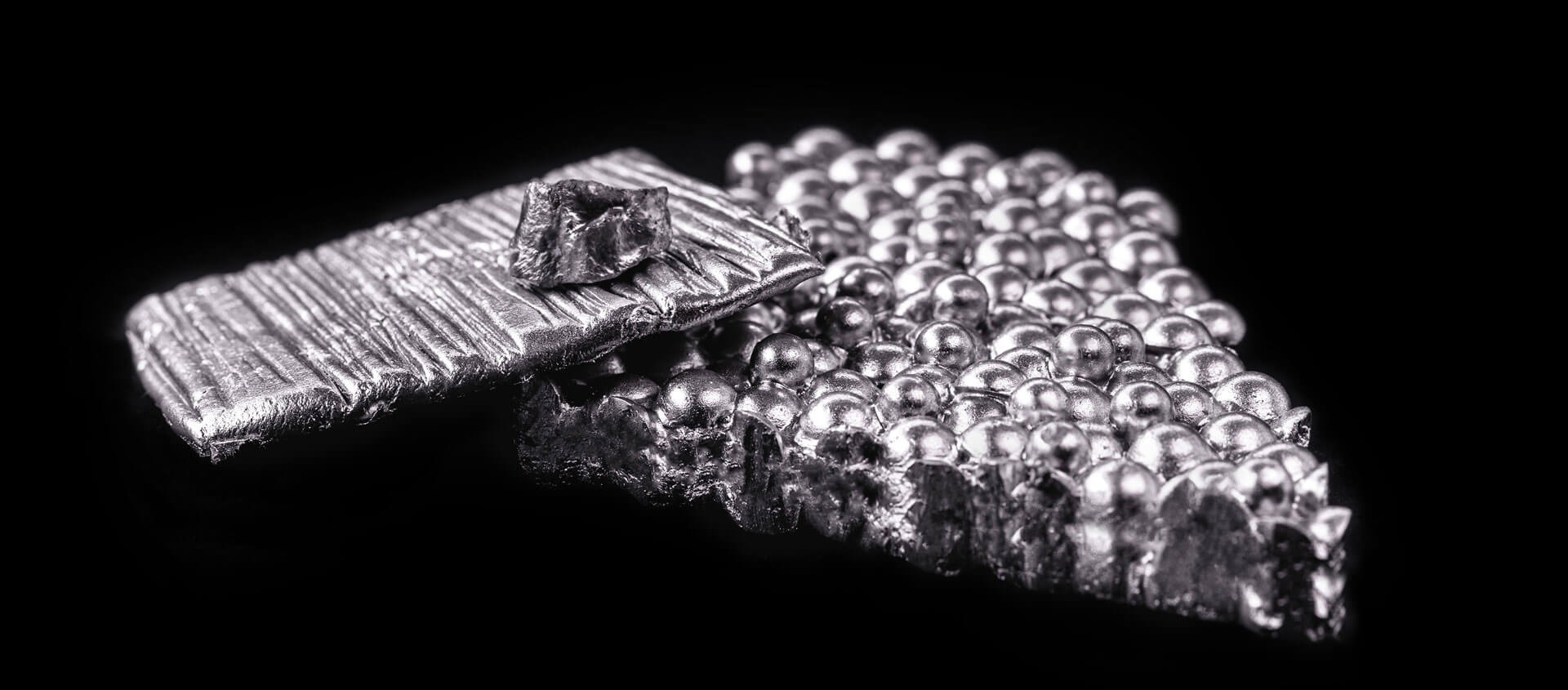
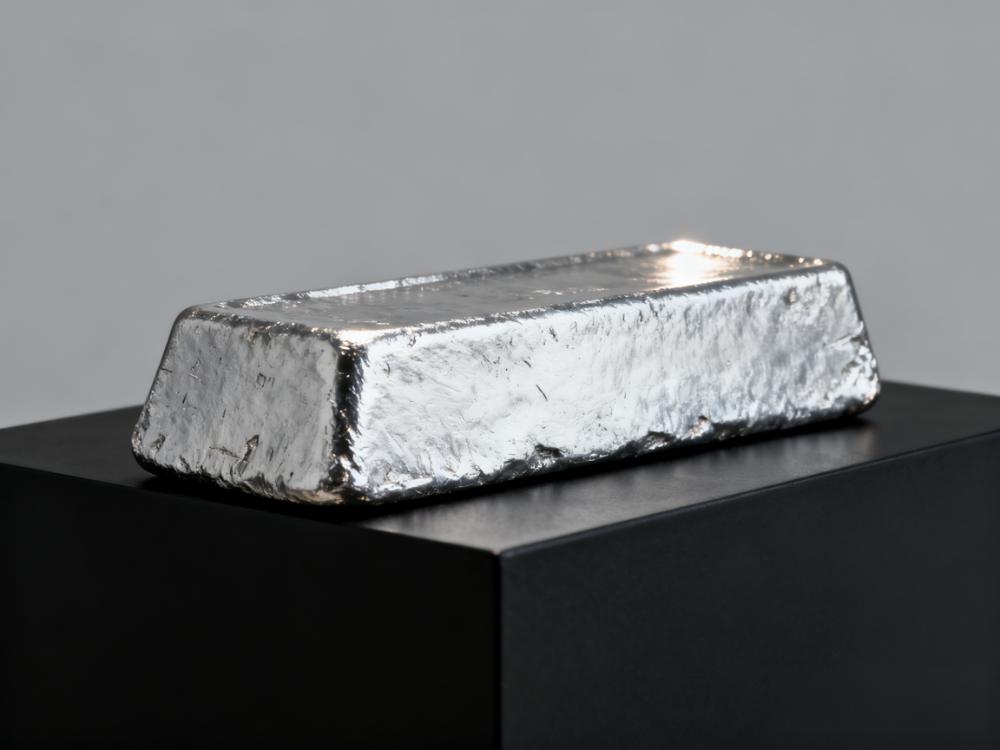
Whether for new energy battery materials or traditional phosphate fertiliser manufacturing, the core demand for sulphur procurement is sulphuric acid. Sulphur itself has limited direct applications, but as one of the core raw materials for producing sulphuric acid, its market price and supply-demand pattern are essentially driven and transmitted by the demand for sulphuric acid. The current market's sulphuric acid supply primarily relies on three process routes: sulphur-burning acid, smelter acid, and pyrite acid. In 2025, the global total capacity for sulphur-burning acid is approximately 85 million mt, for smelter acid approximately 60 million mt, and for pyrite acid approximately 25 million mt.
I. Sulphur-Burning Acid
Source: A by-product passively generated during the desulphurisation process at refineries or natural gas processing plants, it is a non-target product that must be removed, depending on the production of high-sulphur crude oil and natural gas.
Acid Production Process: Solid or liquid sulphur is burned to generate sulphur dioxide gas, which is then catalytically converted into sulphuric acid.
Cost: As a passively produced product, refineries do not separately account for its production cost; if accounting is required, costs are allocated to labour, hydropower, machinery depreciation, etc. The production cost of liquid sulphur is about 30 yuan/mt, while solid sulphur, due to solidification, granulation, packaging, and short-distance transportation, has a slightly higher cost, approximately 120-150 yuan/mt.
II. Smelter Acid
Source: A mandatory by-product generated during the smelting of non-ferrous metals (such as copper, zinc, lead) to treat sulphur-containing flue gas and meet environmental protection requirements, depending on the processing volume of metal ores and the operating rate of smelters.
Acid Production Process: SO₂ generated from metal smelting is purified, dried, catalytically converted, and absorbed to produce sulphuric acid.
Cost: As a passively produced product, related expenses are included in the total environmental protection cost of metal smelting; smelters do not separately account for its production cost. If allocated, the cost is approximately 170 yuan/mt.
III. Pyrite Acid
Source: The target product from pyrite smelting.
Acid Production Process: Pyrite (FeS₂) is roasted at high temperatures to produce sulphur dioxide gas, which undergoes roasting, purification, conversion, and other steps to produce sulphuric acid.
Cost: Pyrite ore accounts for about 60%-70% of the cost, while energy consumption and environmental treatment are also significant components. Producing 1 mt of sulphuric acid yields about 0.7 mt of burnt residue as a by-product; if the residue can be sold as iron material, it can partially offset the cost. With the recent sharp rise in sulphur prices, the price of raw material pyrite increased significantly by 130-140 yuan/mt in December, causing the cost of pyrite acid to rise sharply as well.
In summary, as a by-product, the production of smelter acid is entirely dependent on the smelting plans for metals such as copper and zinc, resulting in extremely rigid supply that cannot be flexibly increased to meet the independent demand of the new energy market. Sulphuric acid production from pyrite ore is constrained by complex processes, substantial equipment investment, and significant environmental protection pressures associated with the treatment of by-product waste residues, leading to limited capacity expansion.
In contrast, sulphur-based sulphuric acid production stands out due to its streamlined process, high product purity, and relatively flexible capacity deployment. However, costs are significantly influenced by fluctuations in international sulphur prices. Consequently, as emerging demands such as new energy drive structural changes in the sulphuric acid market, sulphur-based production has become a critical bridge linking international resources with domestic high-end industries. Its dynamics serve as a core focus for observing the stability of the entire sulphuric acid supply chain and cost trends.